E-commerce continues to grow, but geopolitical tensions and high energy prices are driving up product and transport costs and could make consumers more cautious about spending in the near future, says Jesse Weltevreden, professor of Digital Commerce at Amsterdam University of Applied Sciences and CEO of RankmyAI. He also expects AI to have a major impact on the industry, although he believes we are still a long way from a scenario in which AI manages the entire shopping process. His advice to Portuguese companies looking to export online is straightforward: Be clear about what makes your company or products different. “If you can’t explain why your products deserve to be chosen, a marketplace won’t give customers a reason to buy them”.
How has e-commerce evolved over the past few years, and what have been the main changes?
European e-commerce continues to grow, but selling online has become more complex. Companies now have many more channels through which to sell products, promote their brand and engage with customers. Each channel requires time, people and money. For SMEs in particular, it can be difficult to keep up.
Competition from abroad has grown, especially from large Chinese platforms that sell directly to European consumers. These platforms often compete strongly on price. European companies must comply with rules on product safety and sustainability, while sellers outside the EU do not always meet the same requirements.
Consumer demand for flexibility has led to more payment and delivery options in many European countries. Shoppers can increasingly pay with digital wallets, instant payments or buy now, pay later services. The choice of delivery options has also grown, with more retailers offering pickup points and parcel lockers in addition to home delivery. Yet both payments and delivery remain fragmented across Europe. Options that are common in one country may be less familiar or unavailable in another, making it difficult for retailers to offer the same service in every market. Initiatives such as [digital wallet and an instant payment system] Wero may help with payments, but are still developing.
Wars and high energy prices are raising the cost of products and transport. They also affect consumer confidence. Although European e-commerce is still growing, people may become more cautious about spending in the near future.
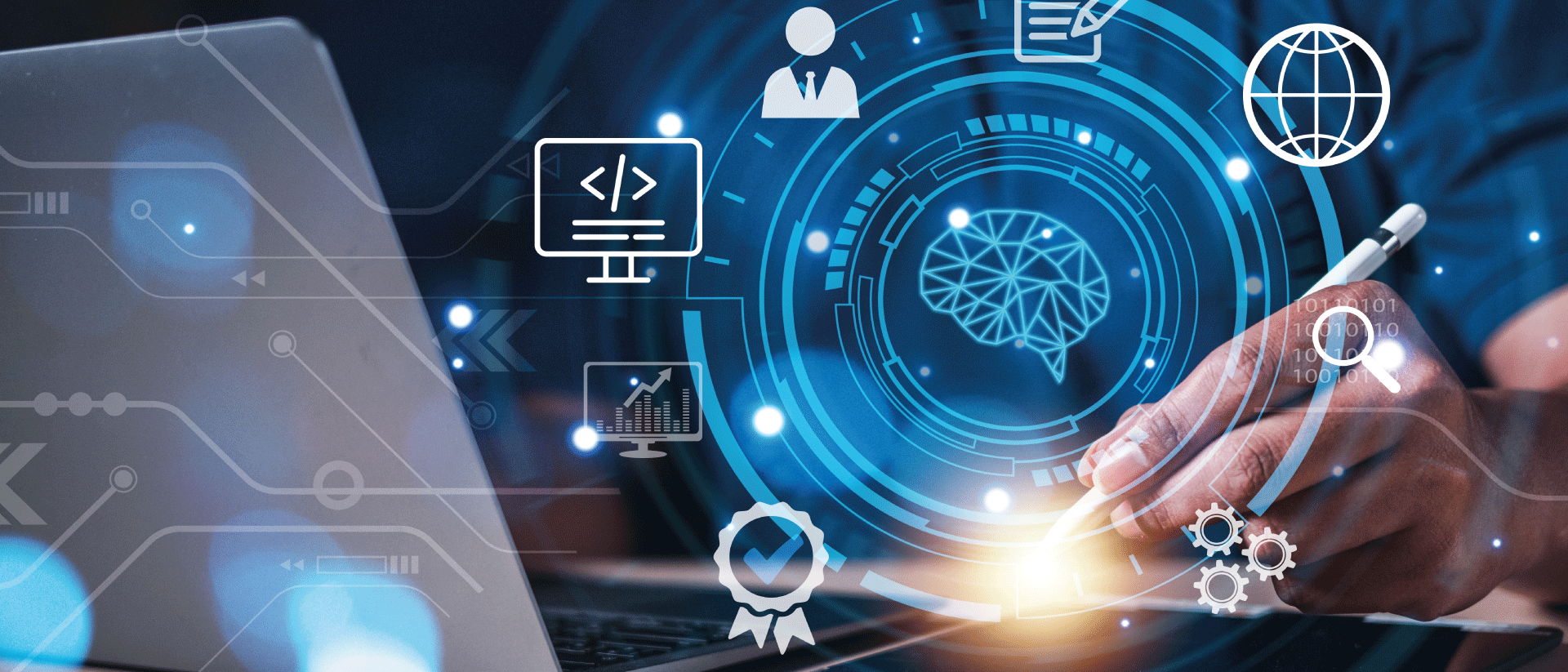
And finally, AI is expected to have a major impact on the e-commerce industry.
Read the latest issue of Portugalglobal Magazine.
Go back
Portugalglobal Magazine
Interview with Jesse Weltevreden
Jesse Weltevreden offers advice to Portuguese companies looking to export online.
AICEP
17/11/2026