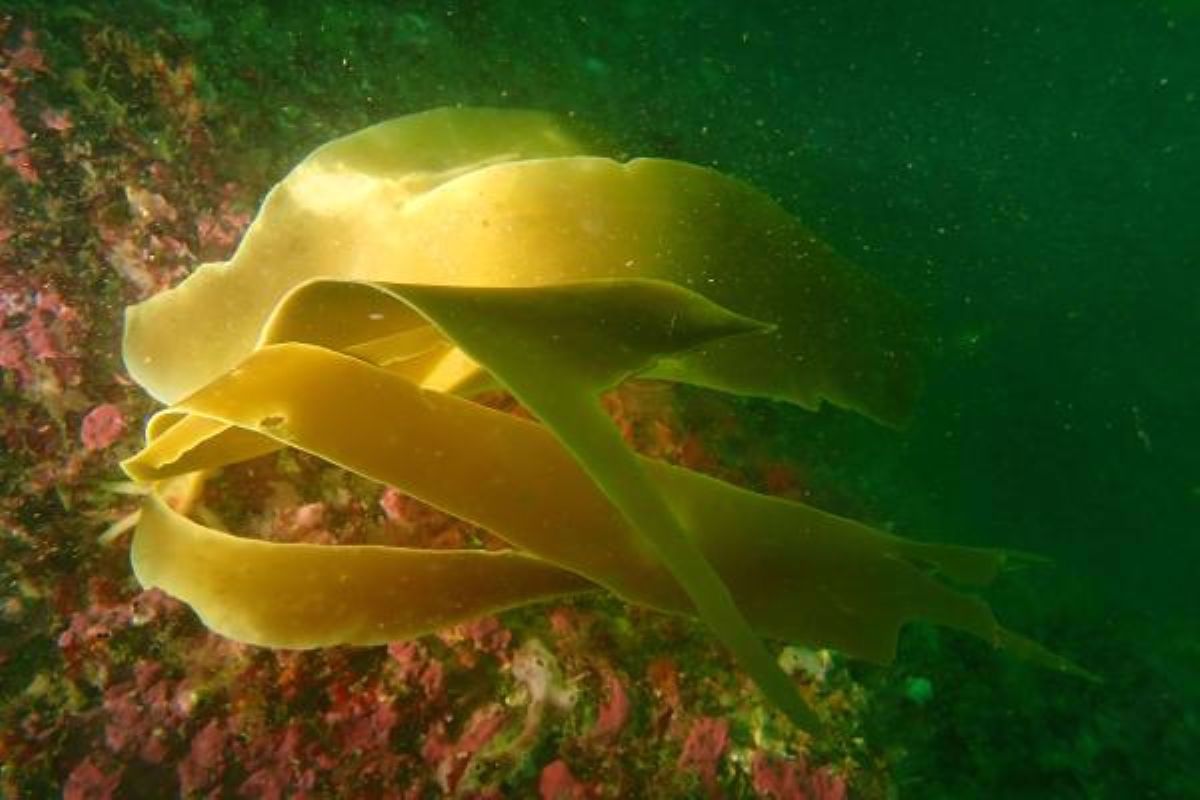
Portugal-based company SeaForester is restoring Europe’s lost kelp forests using a simple, scalable method: it grows kelp seedlings on small stones in land-based nurseries, then deploys them from fishing boats. This innovative approach facilitates large-scale regeneration of marine habitats. With support from BlueInvest, SeaForester has successfully secured €1.6 million and is preparing for international expansion.
Why kelp forests matter
SeaForester was founded in 2016 by Pål Bakken in response to the rapid decline of wild kelp forests - the world’s largest marine vegetated habitat. Witnessing the scale and urgency of this problem, Bakken set out to build a company dedicated to restoring kelp ecosystems.
The company is based in Portugal, in a region where kelp forests had largely vanished, and has secured a permit to restore these habitats. Today, with an international team of marine biologists and business experts, the company addresses biodiversity loss, food security, and ocean health by bringing kelp forests back to Europe’s coastlines.
How SeaForester works
SeaForester’s is designed for low-cost deployment at scale. Kelp is grown on small natural stones in land-based nurseries. After several weeks of growth, these stones are deployed from fishing boats across permitted coastal areas – no divers or heavy machinery required.
Once placed on the seabed, the young kelp grows to maturity and releases spores, allowing new forests to regenerate naturally. These kelp ecosystems act as powerful carbon sinks, nutrient filters, and fish nurseries. Through partnerships with corporations, municipalities and institutions, SeaForester offers restoration projects with clear monitoring and reporting—so partners can support ocean recovery with evidence of impact.
SeaForester is currently working on several sites in mainland Portugal, with Guia in Cascais showing the best results so far. At this site, kelp plants nearly two years old are fully attached to the reef and reproducing.
eureporter