This strategic alliance brings together environmental expertise, scientific research, and stakeholder engagement to drive sustainable energy solutions for the country.
Under a newly signed Memorandum of Understanding, the partner organisations will work in close collaboration with all relevant Portuguese stakeholders, including Portuguese environmental NGOs, to identify optimal areas for solar and wind energy projects while respecting ecological and cultural values. The resulting map aims to help Portugal’s policymakers, public bodies, investors, and developers to meet the EU’s mandate for the designation of Renewable Acceleration Areas (RAAs) by February 2026.
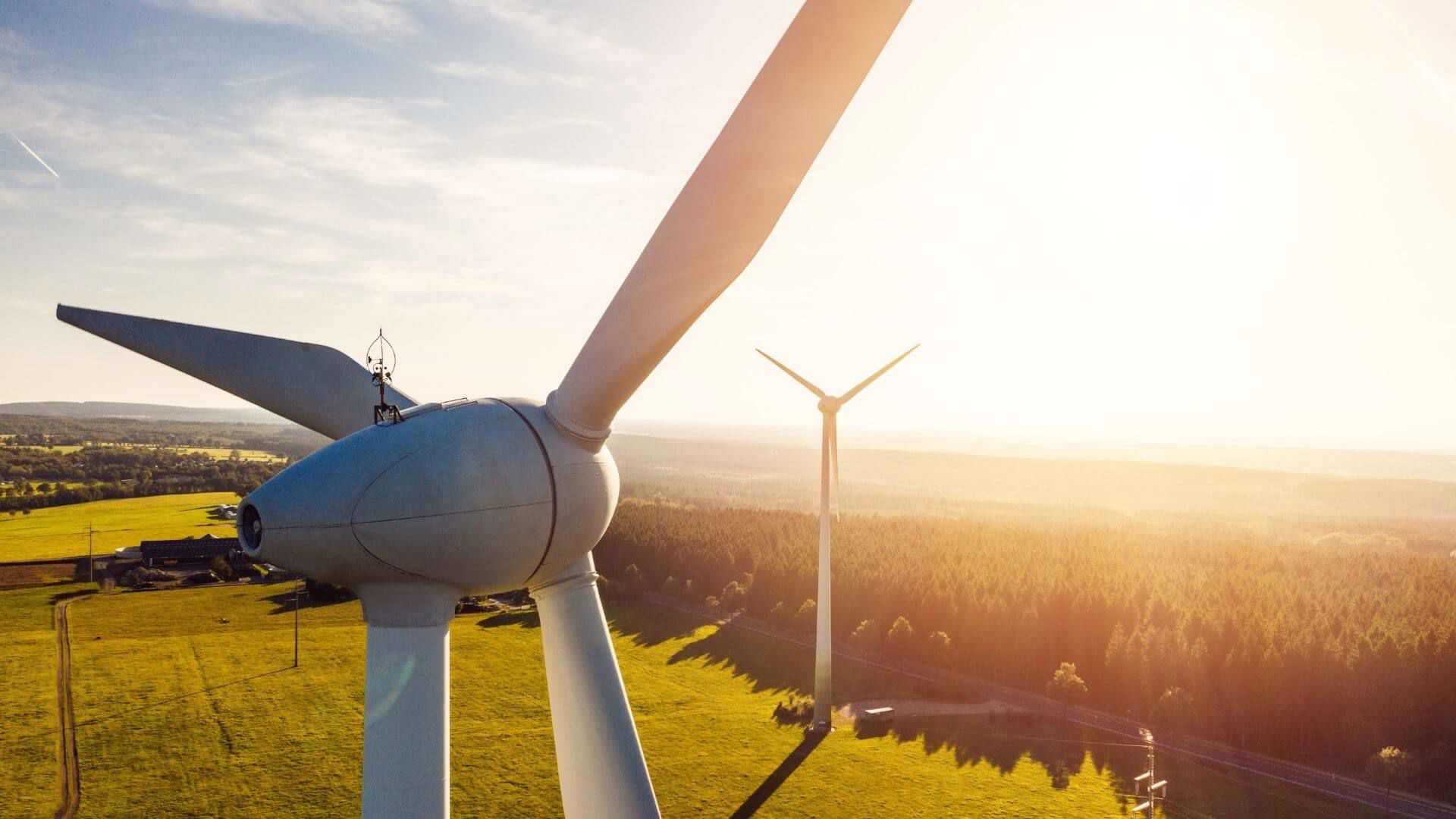
Building on LNEG’s pioneering research released earlier this year, the project will deploy TNC’s smart siting methodology already used in the United States, India, Croatia, and across the Western Balkans to meticulously assess Portugal’s terrain to pinpoint prime locations for solar and wind energy projects. These acceleration areas will be selected based on environmental suitability, technical feasibility, and alignment with Portugal’s ambitious commitment to a 90% share of renewable electricity by 2030.
The project, which will conclude in early 2026, was initiated during a workshop in February to establish objectives and potential barriers. The group highlighted the importance of kicking off this work well ahead of the RAA deadline to enable high-quality public consultation and effectively sequence requirements for environmental assessment and national spatial mapping.